
Colorado Animal Welfare Conference Session
Severe & Fatal Dog Bite Investigations – Evidence, Process, and Conclusions
10:30 - 11:45AM • August 19, 2026
Lakewood Ballroom
Field Services
We deal with complaints of “aggressive” dogs all of the time. But what about those worst-of-the-worst when the human-dog bond goes so far off the track that a human is killed? Jim has tremendous experience in those horrible situations and is here to share what he has learned across hundreds of fatality cases and handling over 100 dogs, post-incident, that have killed humans.
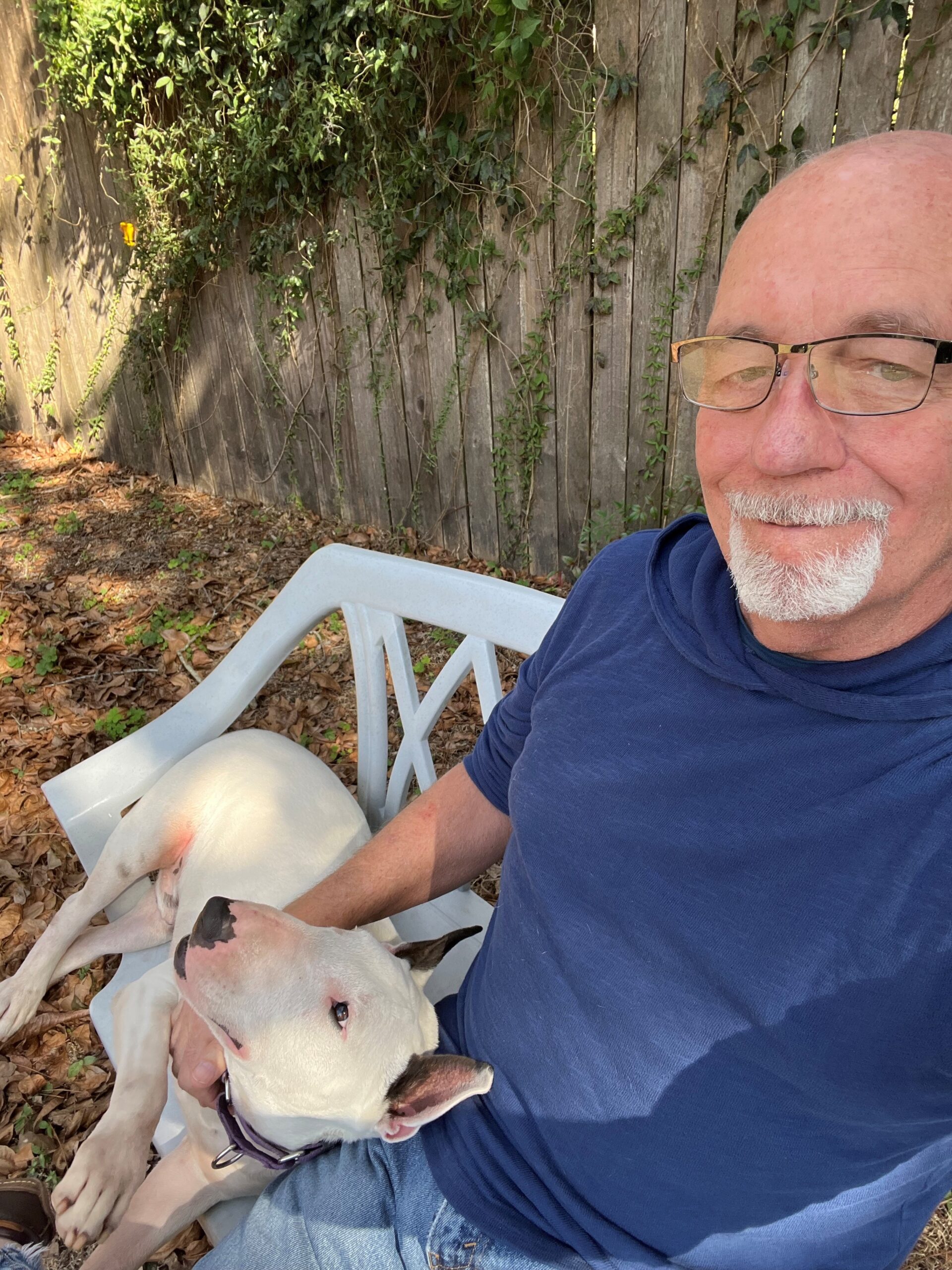
James W. Crosby, PHD
James W. Crosby — usually called “Jim Crosby” — is a canine behavior specialist, former law-enforcement officer, and veterinary forensic researcher best known for investigating severe and fatal dog attacks. His work sits at the intersection of dog behavior, forensic science, animal control policy, and public safety.
Here are the main areas he’s known for:
Canine aggression and fatal attack investigations
Crosby became widely known for developing investigative methods for serious dog-bite and dog-fatality cases. Rather than treating attacks as random incidents, he approaches them like forensic investigations:
- examining bite patterns and injury mechanics
- evaluating canine behavior before and during the attack
- analyzing environmental and human factors
- determining which dog was involved when multiple dogs are present
- assessing whether a dog is dangerous, rehabilitatable, or misidentified
He has worked on dozens of fatal dog attack investigations in the U.S. and internationally.
Veterinary forensics
Crosby earned graduate degrees focused specifically on canine aggression and dog-bite fatalities at the University of Florida College of Veterinary Medicine. His doctoral research examined “dog bite related human fatalities” using scientific and forensic methods rather than relying on media reports or anecdotal accounts.
A major theme of his work is that many public discussions about dangerous dogs are oversimplified. He argues investigators should focus on:
- evidence quality
- behavioral context
- handling and confinement practices
- breeding and selection pressures
- owner behavior and negligence
- predatory behavior versus fear-based aggression
Law enforcement and animal control background
Before becoming primarily a consultant and expert witness, Crosby worked in law enforcement with the Jacksonville Sheriff’s Office and later in Florida animal-control leadership roles.
That background shaped his approach:
- structured evidence collection
- scene reconstruction
- court testimony
- investigative procedure
- policy development for dangerous-dog cases
Views on dog aggression
One of Crosby’s central points is that aggression is not a single thing. He distinguishes between:
- fear aggression
- defensive aggression
- territorial behavior
- redirected aggression
- predatory aggression
He has written and lectured extensively about predatory aggression — behavior tied to chase-and-kill instincts rather than anger or fear.
He also emphasizes that:
- dogs often give subtle warning signals people miss
- serious bites are frequently preventable
- breed alone does not fully explain attacks
- genetics, environment, management, and training all interact
At the same time, he has acknowledged that some breeds and bloodlines may have stronger fighting or predatory traits due to selective breeding. Discussions around his views on breed-specific risk are often controversial online.
Courtroom and expert witness work
He has frequently testified as an expert witness in:
- dangerous-dog hearings
- civil liability cases
- criminal prosecutions
- dogfighting investigations
His expertise has recently drawn attention in high-profile legal cases involving disputed dog-bite evidence.